
How Scottish charities can communicate impact more clearly — and raise more as a result
Scottish charities do extraordinary work, often with limited resources. Yet many struggle to clearly communicate their impact, attract long-term support, or stand out online in an increasingly crowded digital space.
I've written this article to help Scottish charities and not-for-profits make a bigger impact by telling their stories in an authentic way that cuts through. If you work for one of these inspirational organisations, I hope you find the tips helpful.
For more than two decades, I’ve worked in storytelling, media and marketing, and for much of that time alongside charities. Before starting my own consultancy in 2010, I spent many years in radio, including as Programme Director at Radio Clyde. One of my key responsibilities there was overseeing the on-air delivery of the Cash for Kids appeal, which continues to raise around £1.6 million each year to support disadvantaged children across the west of Scotland.
What mattered most was never just celebrity names or big fundraising lunches. It was understanding why funds were needed, going out to see charities at work, meeting the people being supported, and telling those stories honestly and carefully. Working with the programming team, we created moving audio pieces from charity visits that allowed listeners to connect emotionally with the real reasons appeals existed.
Since launching my own business, I’ve always been keen to continue working with Scottish charities, helping them strengthen their message, improve their online presence, and build campaigns that connect with people genuinely and sustainably.
Below, I have drawn on those experiences to offer practical actions that Scottish charities can adopt.
Start with the story, not the donation ask
People don’t connect with donation forms. They connect with stories.
If supporters understand who you help, why the work matters, and what would be lost without it, giving becomes a natural response rather than a pressured decision. This approach was central to the Cash for Kids appeal and remains at the heart of every successful charity campaign I’ve worked on since.
If your website or appeal leads immediately with “please donate”, you’re asking people to act before they understand. Start with the human impact first. Let people see the need, the challenge and the change being made.
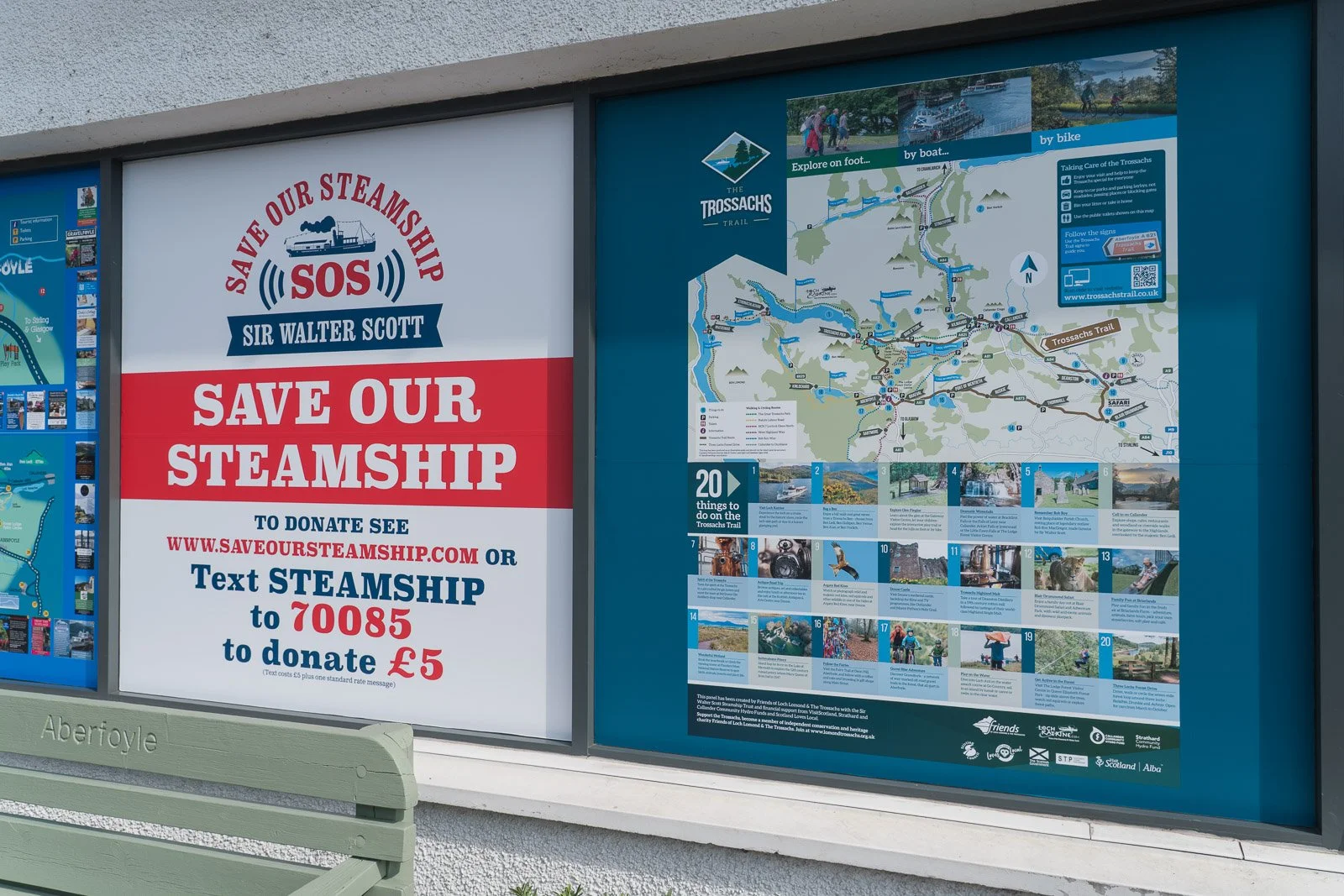
Raising awareness for the Save Our Steamship appeal
Think in long-term campaigns, not short appeals
One-off appeals rarely give charities enough time to build trust or explain their work properly
A strong example of this is the Save Our Steamship campaign at Loch Katrine. The aim was to raise £1.7 million to restore the historic Steamship Sir Walter Scott, built in 1899 and launched in 1900. Damage to boilers, decking and wider structure meant there was a real risk the ship could be lost.
Rather than treating this as a short fundraising push, we created a long-running campaign with its own identity. This included a standalone website, a distinctive logo, online and text donations, PR activity and clearly defined milestones.
That longer timeframe allowed us to explore different strands of the story, from heritage and education to sustainable travel and accessibility for disabled passengers. Support came from across Scotland and internationally, alongside vital backing from the National Lottery Heritage Fund. Today, the ship is restored and sailing again, benefiting thousands of people every year.
Give each campaign a clear digital home
A charity website should do more than host a donation button.
For Friends of Loch Lomond and the Trossachs, the website acts as a rich resource covering heritage, wildlife and landscape across the National Park. This attracts people who care deeply about the place and are therefore far more likely to support its protection.
The site also includes an online shop, allowing supporters to contribute while receiving something meaningful in return. This combination of storytelling, education and light-touch fundraising creates deeper engagement than a single appeal page ever could.
Similarly, Maid of the Loch, Loch Lomond’s last paddle steamer, uses its website as a central hub for long-term restoration updates, volunteering, fundraising and communication with supporters.
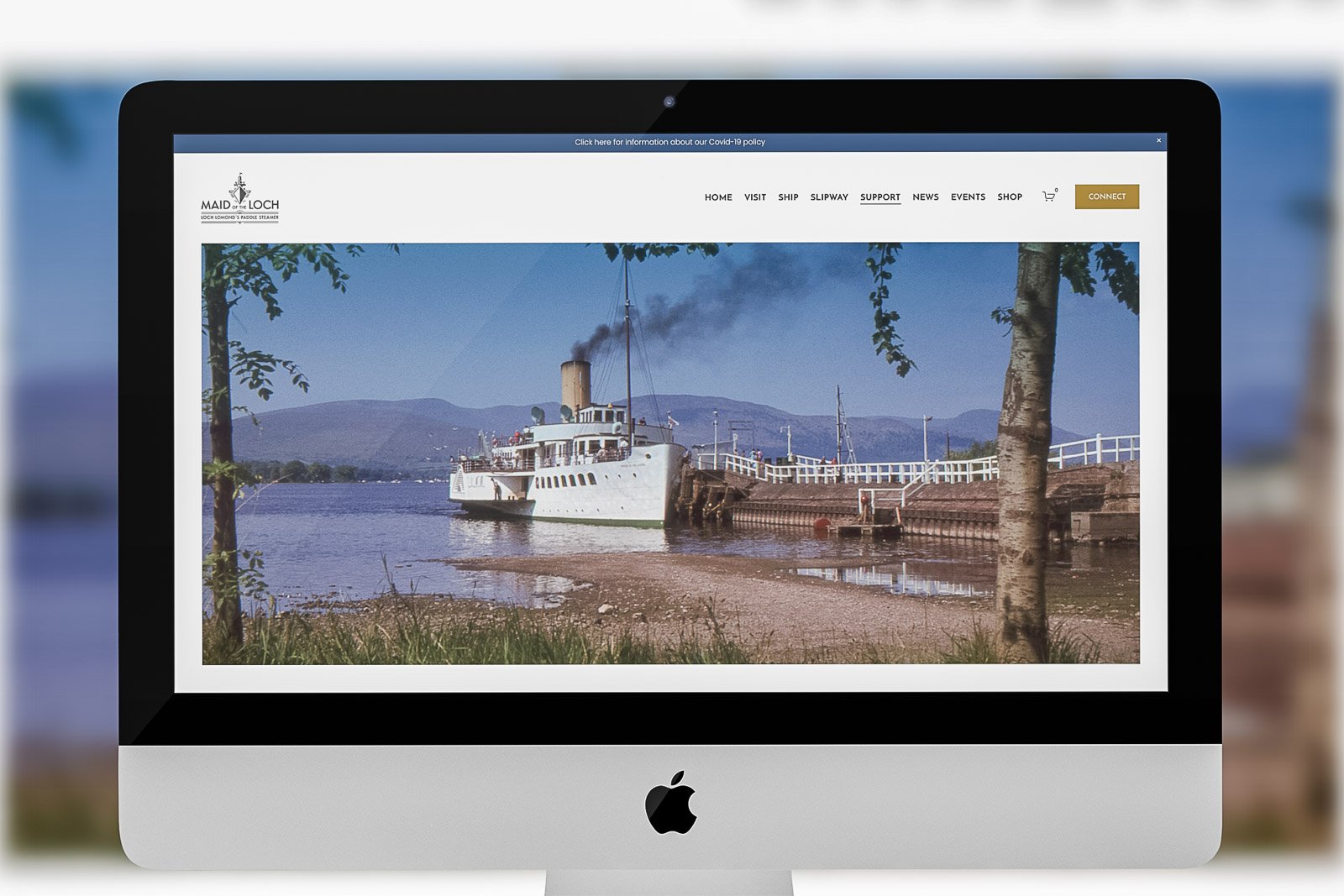
Maid of the Loch Steamship at Loch Lomond
Use video to unlock funding and build confidence
Video consistently proves its value for charities, particularly when applying for funding
My first work with the Maid of the Loch involved creating a film specifically to support a Heritage Lottery application. By digitising archive footage from the 1960s through to the 1980s and combining it with contemporary interviews, we showed not just the ship’s history, but the difference its restoration would make.
That same film was later used for public fundraising, allowing supporters to see precisely what their money was helping to achieve.
For Volunteer Tutors Organisation, I produced a series of moving videos featuring young people whose lives had been transformed through tutoring, alongside volunteers explaining why they give their time. These films supported public fundraising, grant applications and volunteer recruitment.
Be ready to react quickly when urgent needs arise
Some of the most effective charity campaigns happen quickly.
While working with Preshal Trust in Govan and Paisley, a key oven used daily for food provision and skills training failed unexpectedly. Because the charity already had clear messaging, a functioning website and donation systems in place, we were able to create a focused video appeal and online campaign at speed.
That ability to respond quickly depends on having the right foundations in place long before a crisis occurs.
Build clarity early if you’re starting or evolving a charity
Starting a charity is much like starting a business. The earlier you clarify your mission, vision, values and goals, the easier everything else becomes
When supporting Family Learning Community, we developed a marketing plan that clarified not only who the charity helps, but also how it could become financially sustainable over time. This included balancing free provision in deprived areas with paid services that support the broader mission.
Clear foundations make it easier for funders, supporters and volunteers to understand precisely what you stand for.
Make your website easy for staff and volunteers to update
Charity websites need to reflect living, active organisations
That’s why I build charity websites so teams and volunteers can update content themselves. News, fundraising progress, events and impact stories all need to stay current. A website that hasn’t changed in years quietly undermines confidence, even if the charity itself is doing excellent work.
Show the work people rarely get to see
Spending time inside charities always reveals stories the public rarely encounters
At Camphill Blair Drummond, filming day-to-day activity brought extraordinary work into view. Showing real moments rather than polished summaries helps supporters understand why ongoing funding matters, not just headline projects.
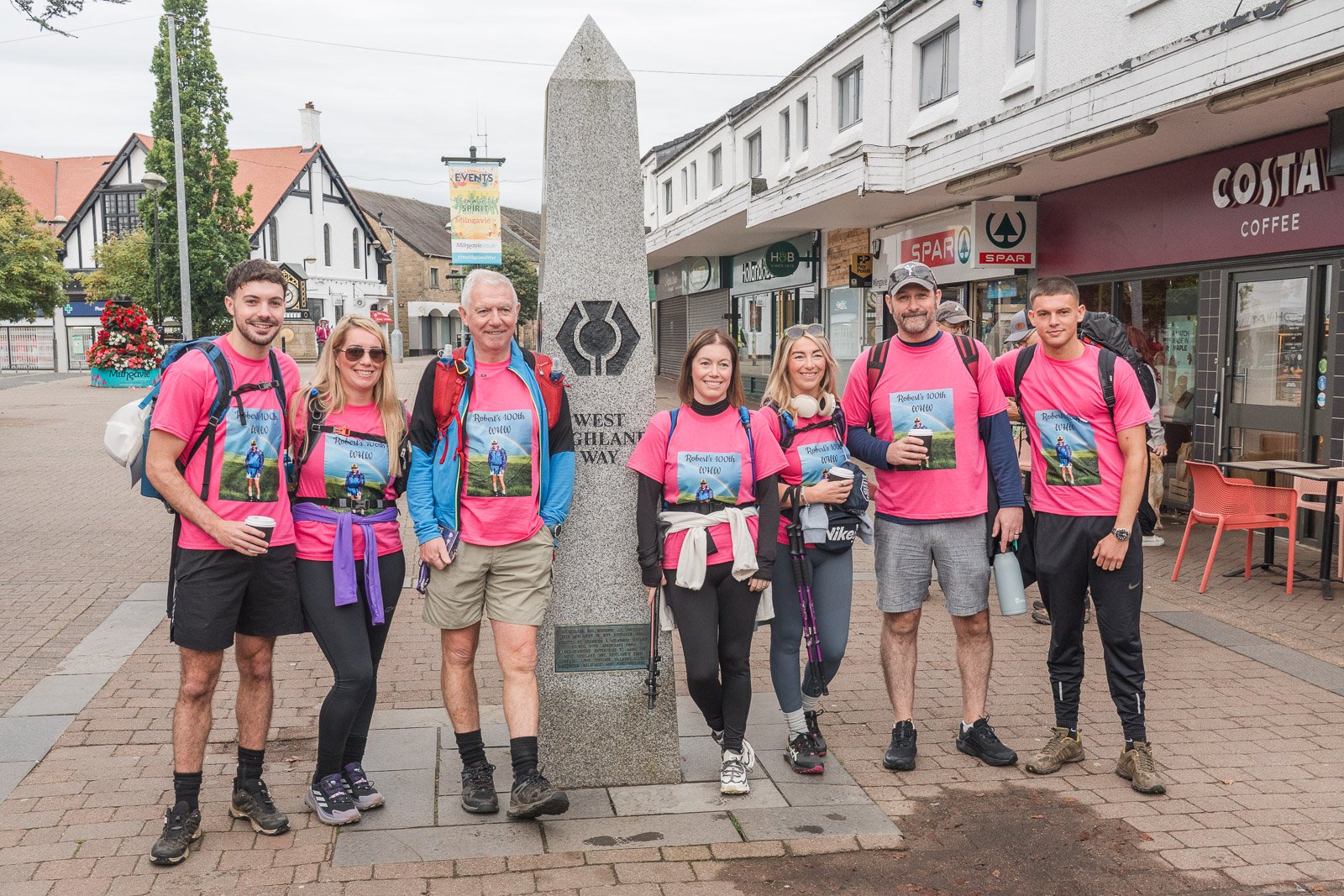
Robert Marshall (and family) walking the West Highland Way for the 100th time
Make fundraising feel fair and shared
My work with the West Highland Way Trust shows how clarity transforms public support.
Around 50,000 people walk the West Highland Way every year. While walking is free, maintaining a 96-mile route across varied terrain requires ongoing funding and skilled labour. Many walkers didn’t realise that.
By focusing on a clear, honest message that, while the route is free to enjoy, it is not free to maintain, and by supporting a PR-led campaign around Robert Marshall’s 100th walk, we secured national press, radio and TV coverage. Donations felt fair, transparent and rooted in shared responsibility rather than pressure.
Keep everything connected and consistent
There is no single solution that fixes charity marketing.
Success comes from ensuring your website, email marketing, social media, fundraising tools, PR, photography and video all work together, look consistent and reinforce the same core message. Supporters should instantly understand who you are, what you do and how they can help.
-
Scottish charities can improve fundraising by focusing on clear storytelling, explaining why funds are needed, running longer-term campaigns rather than short appeals, and showing supporters the real impact of their contribution.
-
Long-term campaigns give charities time to build trust, explain complex needs, show progress and keep supporters engaged through milestones and updates.
-
Long-term campaigns give charities time to build trust, explain complex needs, show progress and keep supporters engaged through milestones and updates.
-
Video helps charities show real people, real work and real outcomes. It is particularly effective for grant funding, public fundraising and volunteer recruitment because it builds trust.
-
A charity website should clearly explain its mission, show impact through stories, include donation options, volunteering opportunities and be easy for staff or volunteers to update.

Raising funds to support Red Squirrels in Scotland
Final thought
Just as businesses invest in marketing to grow, charities must invest too. That investment may be time, planning, skills or budget, but without it, vital work remains unseen.
If you’re a Scottish charity, particularly in Glasgow or the west of Scotland, and want support with strategy, campaigns, websites, video, photography, appeals or PR, I’m always happy to talk. Helping charities tell their stories clearly and honestly is work I care deeply about, because when people understand the impact, they do respond.
The best first step is a free 30-minute conversation.
Book a free callNo sales pitch. No obligation. Other options below if you prefer.
